Scroll to read
By Andra Nel, KFC South Africa
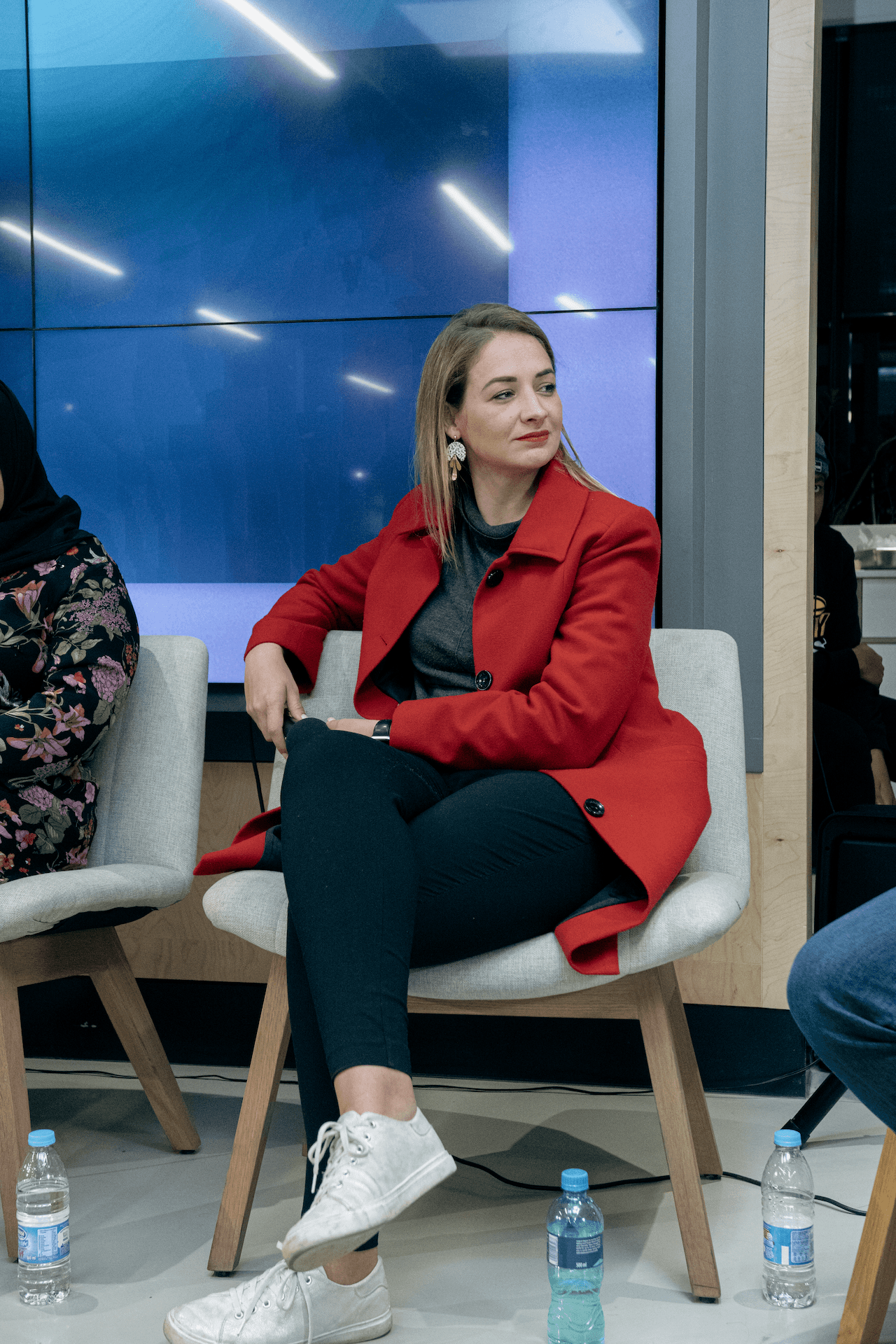
Every decision I make, both personal and professional, is measured against a single question: what world do I want my two daughters to inherit? My girls, aged eight and four, are brimming with fiery personalities and leadership potential. My husband and I pray they become leaders of companies, not gangs, but in a country where opportunity is not guaranteed, that future is not a given. That question-about their future, and the future of all of Africa’s children-is what drives my work every day.
Long-Term Vision and Legacy
We live on the world’s youngest continent, with an average age of just 19. Yet this youthful energy is constrained by a brutal reality. In South Africa, youth unemployment stands at a staggering 60%. The continent’s richest 10% own 71% of its assets. Women, who make up the majority of the population, earn 30% less than men and remain underrepresented in the economy. This isn’t just data; it’s a multi-generational poverty trap, a vicious cycle where low income leads to poor education and health, which in turn leads to low productivity and back to low income. Generation after generation, our youth are stuck, unable to break free.
Intergenerational Poverty and Inequality
There was a time when business could ignore this reality. The old model was simple: profit at all costs, regardless of the damage left in our wake. But that era is over. The pandemic triggered a profound moral and ethical reset. Today, society no longer looks to governments or NGOs alone to solve its deepest problems. As the Edelman Trust Barometer shows, they are holding businesses accountable. We have been given a new mandate, one that is no longer a “nice to have” but our very license to trade.
The Evolving Role of Business/Purpose-Driven Business
At KFC, we have come to a fundamental belief: business cannot succeed in societies that fail. We cannot be stronger than the communities we operate in. If we do not play a fundamental role in shifting society for the better, we will become irrelevant.
Our primary purpose, of course, is to serve the world’s best fried chicken. We must never lose sight of this, because that core business provides 40,000 jobs on this continent, supporting tens of thousands of households and fueling local economies. But that is where our responsibility begins, not where it ends. We have created a “Recipe for Good Growth,” a framework built on three pillars: our food, our people, and our planet. Our ambition is to be the most inclusive brand on the continent by feeding people’s potential.
This isn’t about handouts. It’s about breaking the cycle.
Equal Opportunity and Inclusivity
We are launching the StreetWise Academy, an initiative to provide accredited qualifications to every employee in our restaurants, empowering them and their families. For their children, our scholarship program offers access to quality education that would otherwise be out of reach. We believe in creating pathways.
We see the power of equal opportunity in our Mini Cricket program. For 40 years, this initiative has brought children from Sandton and Alexandra onto the same field, giving them an equal chance to bat, bowl, and field, regardless of their race, gender, or background. It has produced 11 of the 15 national Proteas players who played in the last World Cup.
Sustainable and Ethical Practices
And when it comes to the most basic of needs, we’ve learned that small change makes a big difference. For 15 years, our customers have been donating R2 (about 10 cents) at a time through our Add Hope initiative. Last year alone, these small acts of kindness, combined with KFC’s contribution, totaled R107 million ($5.6M), translating into 33 million meals for children in need.
Our responsibility extends to the planet our children will inherit. In 2019, we became the first major fast-food restaurant in the country to remove plastic straws, eliminating 6 million straws a year. Since then, we have removed 500 tons of single-use plastic annually from our packaging. Our iconic red box is now sustainably sourced, a testament to our commitment to a circular economy.
Collective Impact and Ubuntu
We are not just a South African company; we are an African one. We believe in the continent’s resilient, can-do mindset, coupled with the spirit of Ubuntu—the understanding that we are all connected. When we combine that spirit with collective impact, we become an unstoppable force. The potential of this continent has barely been tapped.
My hope is that when my daughters step into the world, they find a society where business is a partner in progress, not just an engine of profit. It’s a long journey, but it’s a responsibility we must all embrace. The work is far from done, but together, we can ensure that every child in Africa has the chance to fulfill their boundless potential.
This article was repurposed from Andra’s original presentation at the 3rd instalment of the Impact Series and the topic therein was; “Making Impact Part of Everyday Business’ which can be found Thinkerneur’s YouTube page - see link here.